
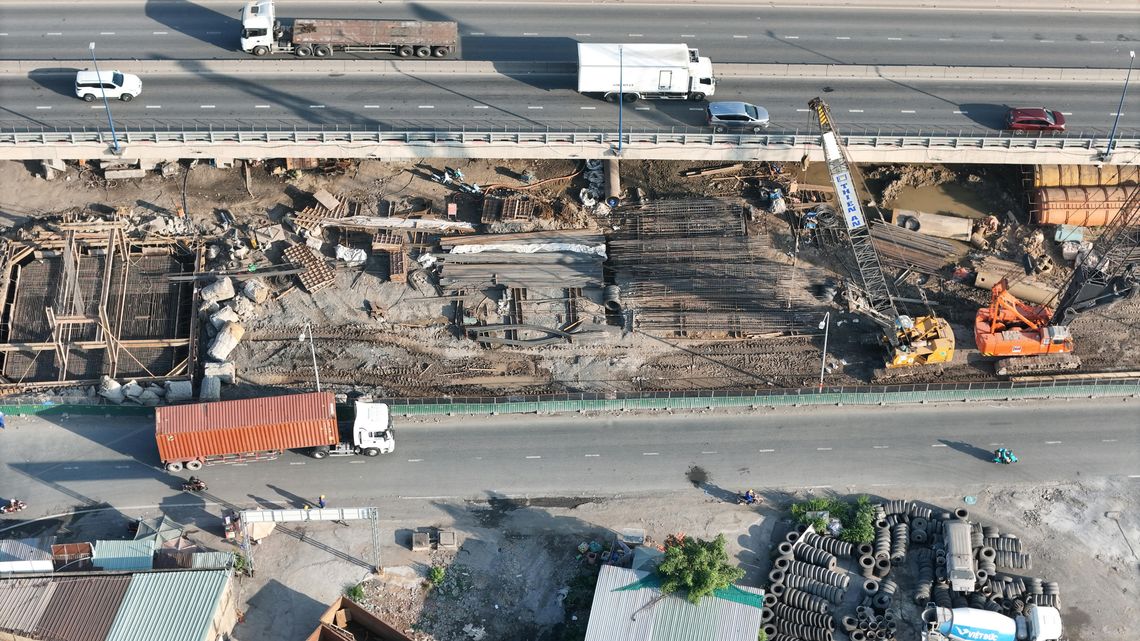
Civil engineering forms the backbone of municipal infrastructure, providing the planning, design, and implementation of critical systems that support thriving communities. From roadways and bridges to water and sewer systems, civil engineers apply scientific principles and technical expertise to deliver safe, sustainable, and efficient infrastructure solutions.
What Is Municipal Infrastructure?
Municipal infrastructure refers to the physical systems and facilities that enable the functioning of towns and cities. These systems include:
- Roads, bridges, and transportation networks
- Water distribution and wastewater treatment systems
- Stormwater management and drainage
- Public facilities such as parks and utilities
- Waste management and environmental protection systems
Ensuring these systems operate effectively requires careful planning, design, and ongoing engineering oversight.
Planning and Design: The First Step in Infrastructure Success
Before construction begins, engineering teams perform comprehensive planning and design. This process evaluates community needs and environmental constraints and integrates long-term sustainability goals. Key elements in this phase include:
- Site assessments and topographical surveys
- Hydraulic and hydrologic modeling for water systems
- Traffic and transportation flow studies
- Structural analysis for bridges and retaining structures
- Cost estimation and lifecycle planning
Solid engineering design reduces construction risks, controls project costs, and helps ensure infrastructure longevity.
Transportation Systems: More Than Just Roads
Civil engineers are integral to the development of transportation infrastructure. Modern projects must balance capacity demands, safety requirements, and environmental impact. Engineering teams use advanced modeling, material science, and innovative construction techniques to create:
- Durable roadways that withstand heavy traffic
- Safe intersection designs that reduce accidents
- Sidewalks and bike lanes that promote multimodal transit
- Bridges and overpasses that meet structural performance standards
Effective transportation design enhances community connectivity and supports economic growth.
Water and Wastewater Systems: Protecting Public Health
Safe drinking water and reliable wastewater treatment are fundamental to municipal services. Civil engineers design systems that:
- Capture, store, and treat potable water
- Deliver consistent water pressure to residential and commercial zones
- Convey wastewater efficiently to treatment facilities
- Manage stormwater to reduce flooding and erosion
Engineering solutions for water and wastewater are guided by regulatory standards and environmental stewardship principles.
Stormwater Management: Essential for Resilience
As weather patterns become more unpredictable, stormwater management has become an essential engineering discipline. Effective stormwater systems reduce flooding, protect natural waterways, and prevent property damage. Key engineering approaches include:
- Detention and retention basins
- Permeable pavement and green infrastructure
- Channel stabilization
- Erosion control strategies
These systems work together to handle runoff while preserving ecological systems.
Infrastructure Maintenance and Rehabilitation
Design and construction are just the beginning. Infrastructure must be maintained and updated to meet evolving needs. Civil engineers support:
- Asset condition assessments
- Rehabilitation of aging bridges, roads, and pipelines
- Upgrades that integrate modern technologies
- Long-term maintenance planning
Proactive engineering assessment helps communities extend the life of critical infrastructure and reduce repair costs.
The Impact on Communities
Well-designed and maintained municipal infrastructure directly improves quality of life. It provides:
- Safer travel and reduced traffic congestion
- Reliable water and sewer services
- Protection from flooding
- Support for economic development
- Improved public spaces and utilities
Effective civil engineering drives resilience, sustainability, and community prosperity.
Comment
Comments