
Bringing people together for an event, whether it’s a small community fair or a large festival, comes with an unspoken promise of safety. Organisers naturally focus on creating a memorable experience, but any successful gathering needs a solid plan to protect everyone involved. Thinking about emergencies isn't about being pessimistic. It's about being responsible and making sure you can handle unexpected situations calmly and effectively. A well-thought-out emergency plan is the most important tool an event organiser can have.
Understanding Potential Risks
Before you can create a plan, you first need to understand the potential dangers. Every event is unique, with its own risks based on the venue, audience size, and types of activities. These can range from common medical issues like dehydration or minor falls to more serious problems such as a fire, power failure, or extreme weather, all of which might require medical services for events.
Think about the specific details of your event. An outdoor summer festival faces risks like heatstroke and sun exposure, while an indoor conference might worry about how crowds move in enclosed spaces. It’s vital to conduct a thorough risk assessment to pinpoint these possibilities. This process of emergency preparedness and response involves walking through the venue and brainstorming "what if" scenarios. Spotting these risks early is the first and most crucial step toward managing them.
Components of a Solid Plan
Once you've identified potential risks, the next step is to create a clear and practical emergency plan. This document should be simple enough for your entire team to understand and use, even under pressure. A good plan isn't just paper; it’s a guide that gives your team the confidence to act decisively.
A strong emergency plan should always include several key parts:
- Clear Evacuation Routes: Maps showing main and secondary exits, leading to designated safe assembly points.
- Chain of Command: A defined hierarchy of who is in charge during an emergency and who can make critical decisions.
- Communication Strategy: How you will talk to your team (e.g., two-way radios) and attendees (e.g., public address system) during an incident.
- Emergency Contacts: A readily available list of contacts for local police, fire and ambulance services, as well as venue management and key staff.
For a step-by-step guide, consider creating an emergency preparedness plan that covers these core components in detail. The goal is to leave no room for confusion when a quick response is needed.
The Role of On-site Expertise
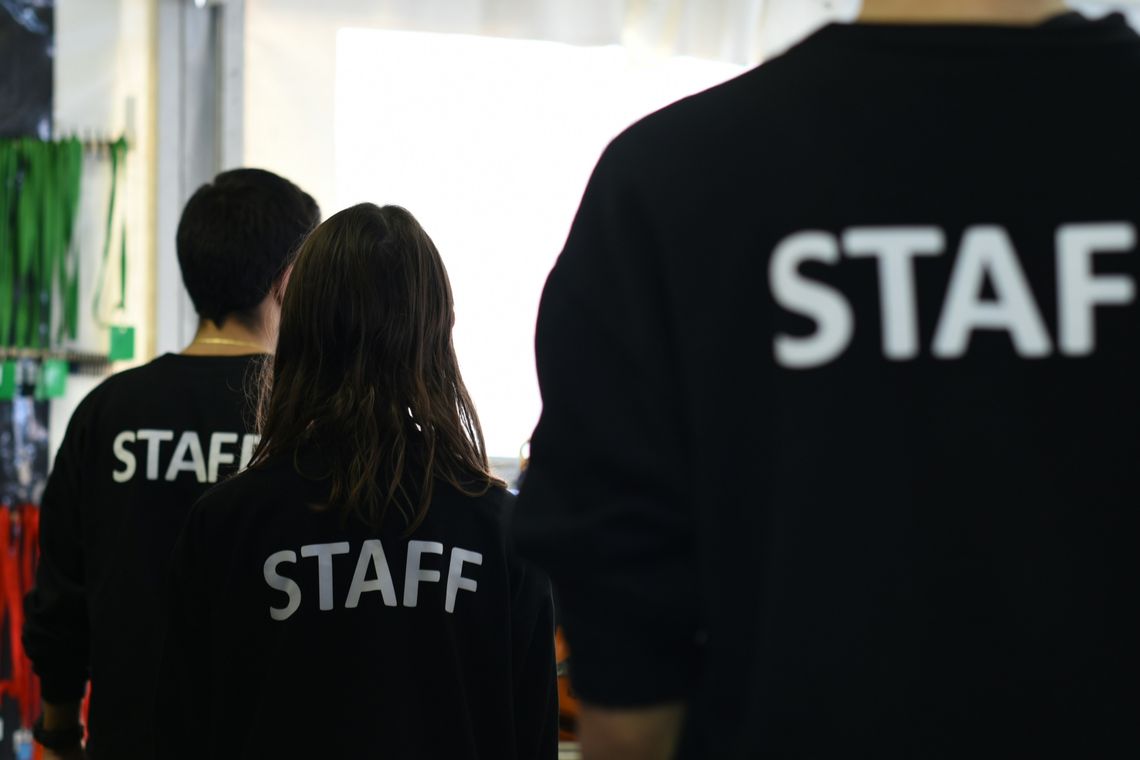
A plan is only as good as the people who carry it out. During a real emergency, confusion can set in quickly. That's why having trained personnel on-site is essential. Your staff and volunteers should be briefed on the emergency plan, know their roles, and understand who to report to. Drills and walkthroughs before the event can make a big difference in how prepared everyone is.
For many events, especially those with large crowds or physical activities, this expertise should include professional medical support. Relying only on local emergency services can lead to dangerous delays. Having medical staff present not only allows for a quick response to injuries or illness but also gives organisers and attendees confidence that their well-being is a top priority.
Communicating Your Safety Strategy
Clear communication before and during an event is essential for safety. Brief staff and volunteers on emergency procedures, key locations, and their specific roles before the event begins.
Attendees should also receive clear, reassuring information through:
- Visible signs for exits, first aid stations, and information desks.
- Brief safety announcements at the start.
- Emergency details and maps in event programmes or apps.
When people know where to find help, they feel more prepared and confident. Clear communication builds trust and supports a safer environment for everyone.
Post-Event Review and Learning
The work isn’t over when the last guest leaves. A post-event review helps teams assess incidents, communication, and the effectiveness of their emergency plans. Gather key staff, security personnel, and medical professionals to discuss what worked, what didn’t, and what needs improvement.
Each event is a learning opportunity. Reviewing safety procedures and addressing weaknesses helps organisers strengthen plans and create safer experiences for everyone.
Comment
Comments